


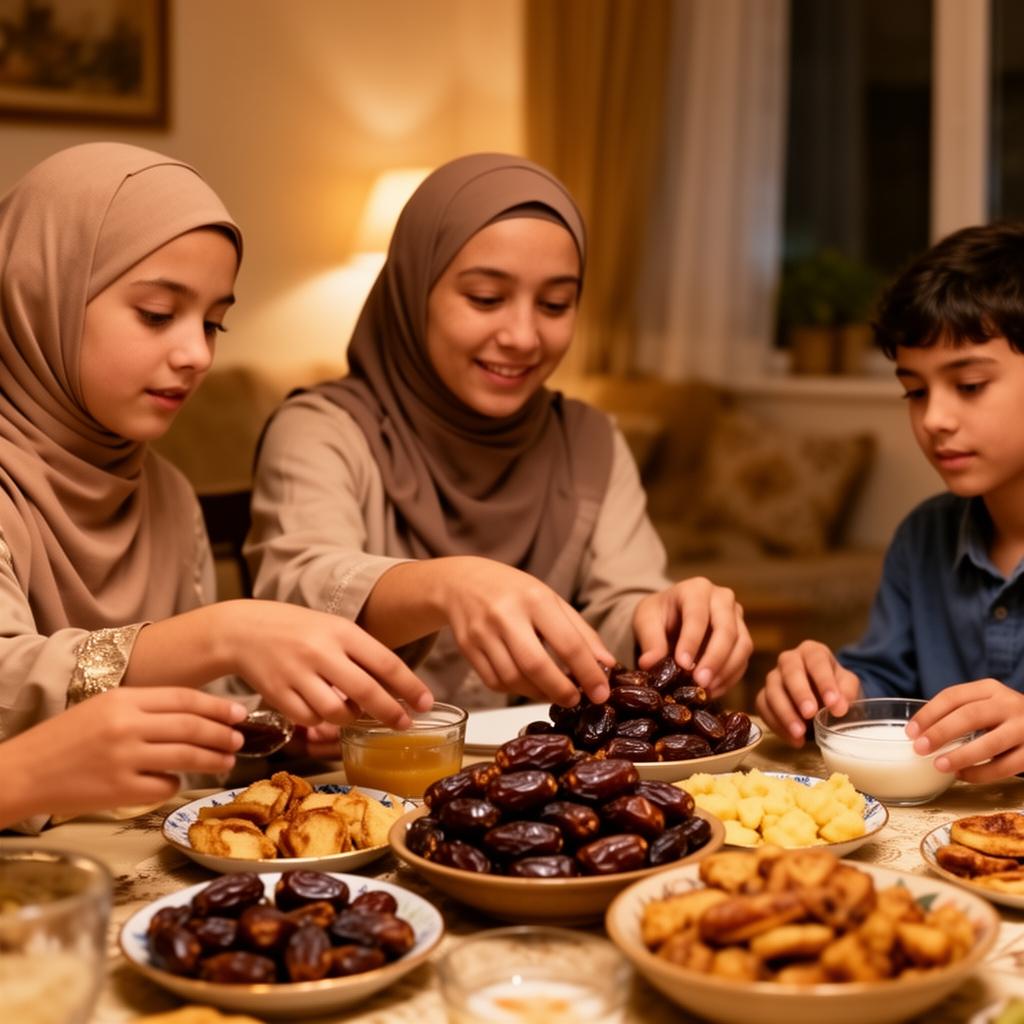
Why Preparation Matters
Ramadhan arrives once a year. Without preparation, teenagers may see it as a month of hunger rather than a month of growth. Parents play a key role in shaping how their children experience fasting, prayer, and community.
Starting early gives families time to set goals, adjust routines, and build excitement.
Start the Conversation Early
Talk to your teenagers about Ramadhan two to three weeks before it begins. Ask them what they hope to gain from the month. Listen to their concerns.
Some teenagers worry about fasting during school. Others feel unsure about how to balance studies and worship. Address these concerns with patience and practical solutions.
Set Family Goals Together
Sit down as a family and set three to five goals for Ramadhan. Keep them simple and specific.
Examples:
Write the goals down and place them where everyone can see them.
Create a Ramadhan Routine
Teenagers thrive with structure. Help them plan a daily schedule that includes:
Make It Enjoyable
Ramadhan should feel special, not punishing. Here are ways to keep the month enjoyable for teenagers:
Address Common Challenges
"I'm too tired to study." Help your teenager adjust their sleep schedule a week before Ramadhan. A short nap after Dhuhr helps.
"My friends don't fast." Remind them that fasting is between them and Allah. Encourage them to share iftar with non-fasting friends.
"I don't feel connected." Sometimes teenagers go through the motions without feeling spiritual growth. Encourage them to make du'a in their own words and in their own language.
The Long-Term Impact
Teenagers who experience Ramadhan with family support often carry that love for the month into adulthood. The habits they build now — waking for sahur, reading Quran, giving charity — shape the adults they become.